


- Home
- Production process
Production process
Quality is evident in every detail, and perfection is presented in every drop.
Packaging Material Production
1. Feeding:
In light of the ongoing food safety issues, NAYAQUA insists on using 100% Tier 1 manufacturers producing the highest grade and purest PET pellets, without mixing in substandard materials. This not only provides higher-quality preforms and caps but also more effectively reduces the complex post-recycling processing and produces compliant recycled PET pellets (R-PET). Furthermore, it reduces carbon emissions from the transportation of purchased packaging materials, making it more environmentally friendly.

2. Injection of preforms and caps:
Using the HUSKY preform and cap injection molding system from Canada, a giant in plastic injection equipment, results in short injection cycles, extremely high efficiency, and a yield rate of up to 99.6%. Precise material feeding and accurate control of water, electricity, and gas significantly reduce overflow, waste, and defective products, while also reducing energy consumption by 30%.
Product manufacturing
1. Water production:
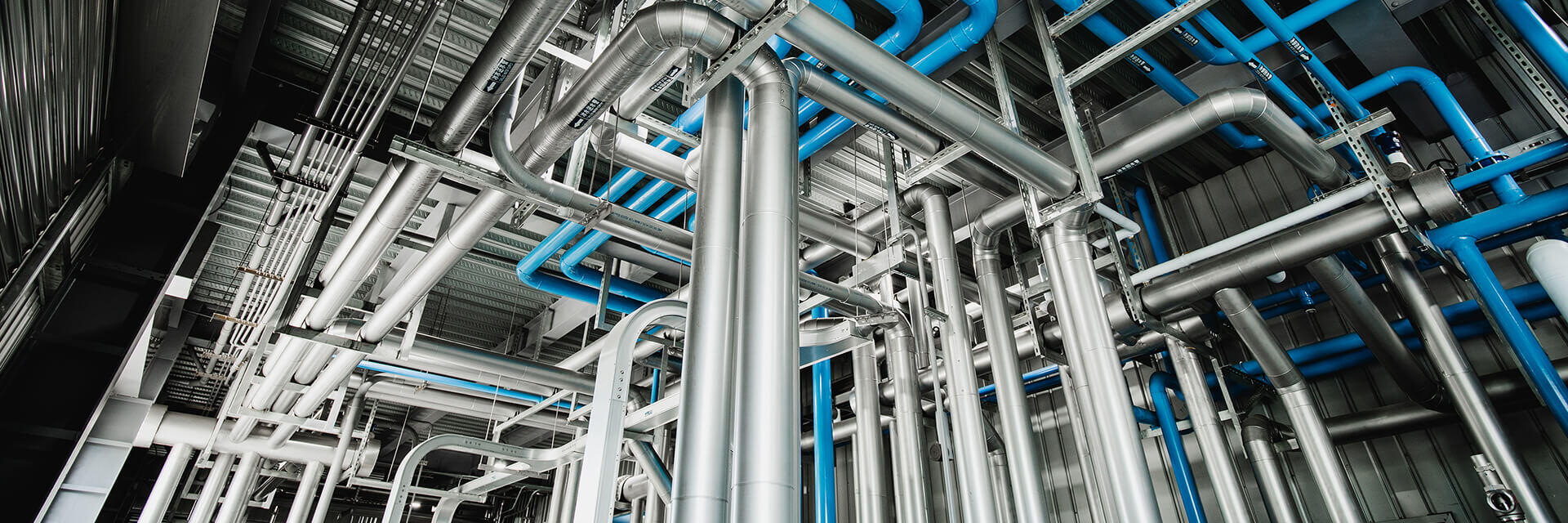
Depending on the market and customer base, different mineral ratios can be used to adjust the taste, total dissolved solids, pH, hardness, etc., to meet their specific needs.
2. Hot water sterilization:
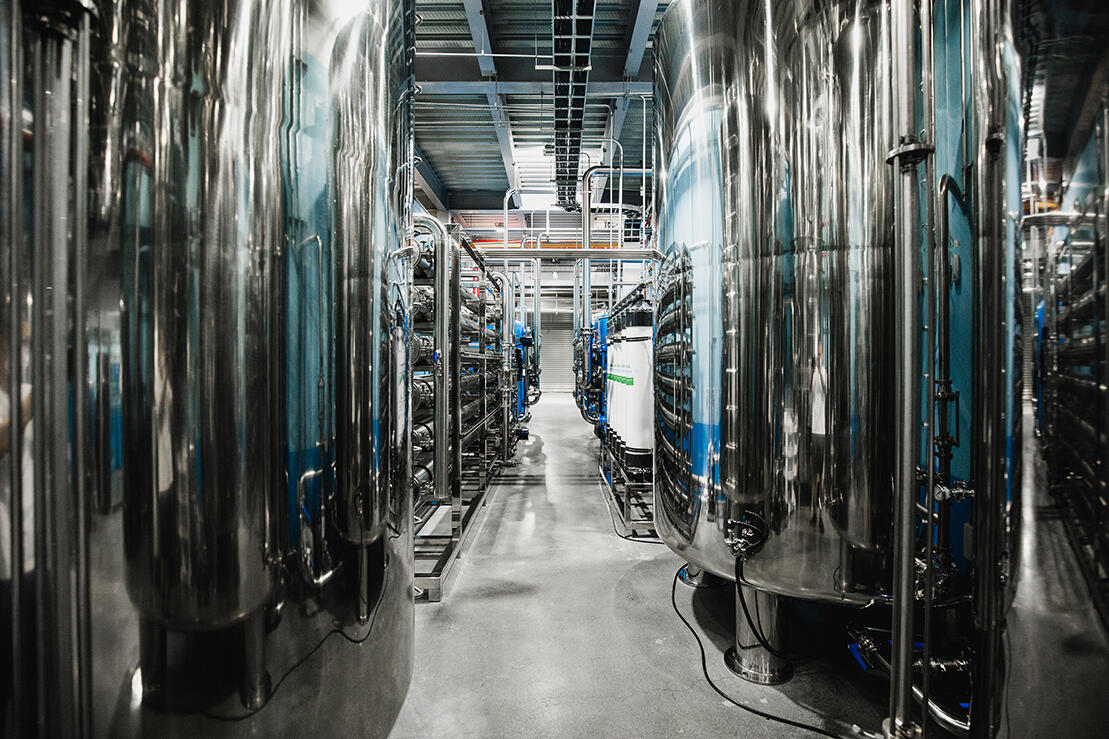
Unlike the industry's use of ozone water for pre-production disinfection, NAYAQUA uses a physical hot water sterilization method. Before each production run, the filling head, stainless steel pipes, and tanks are flushed with 85°C hot water. This physical method of heat conduction is more effective and safer.
3. Bottle blowing, filling, and capping:
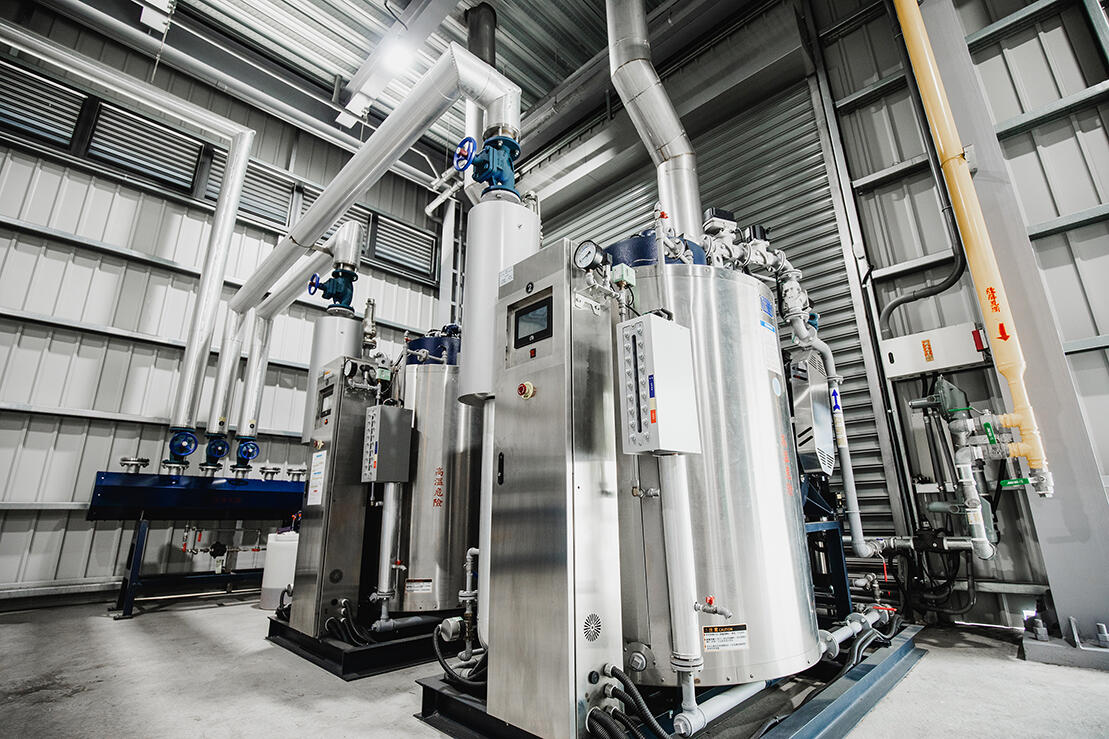
One of the world's three major filling machines – the German KHS blow-fill-seal integrated machine – represents the most advanced technology currently available. It eliminates the significant water waste caused by bottle washing required in traditional filling equipment, and its precise control system reduces energy consumption by 25%-30%, resulting in extremely high efficiency and yield. It is housed in a Class 10,000 cleanroom.
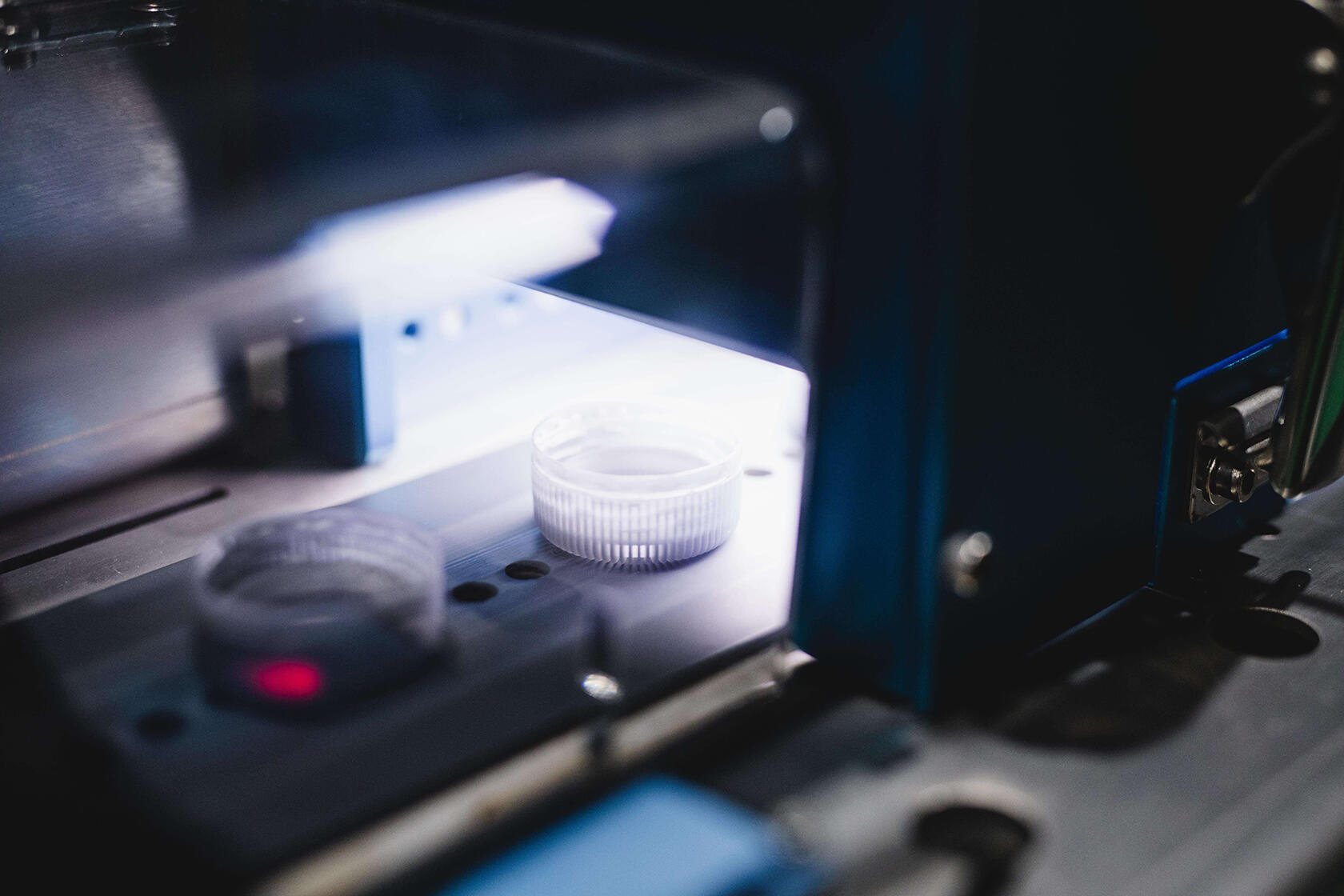
4. Automated visual inspection machine for bottle caps, foreign objects, and liquid levels:
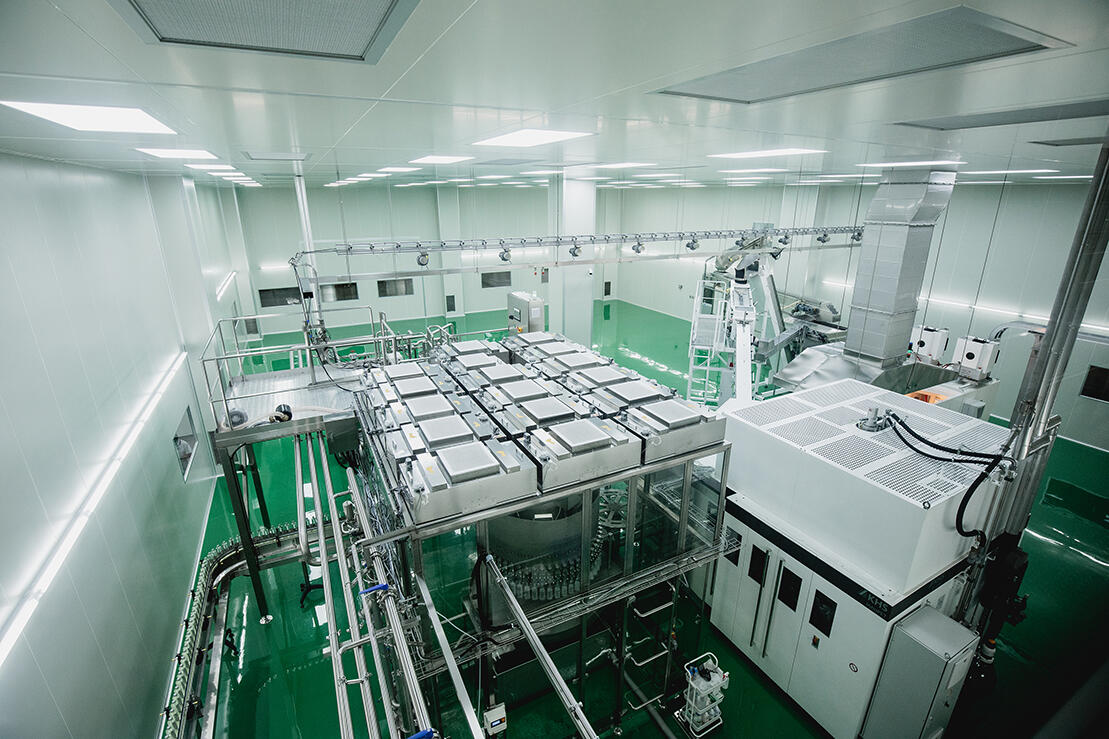
The high-speed production line, capable of producing 600 bottles per minute, utilizes an automated visual inspection machine for monitoring. Whether it's cap size, cap security, foreign objects, or liquid level, everything can be monitored by a single machine, with defective products automatically rejected to ensure safety.
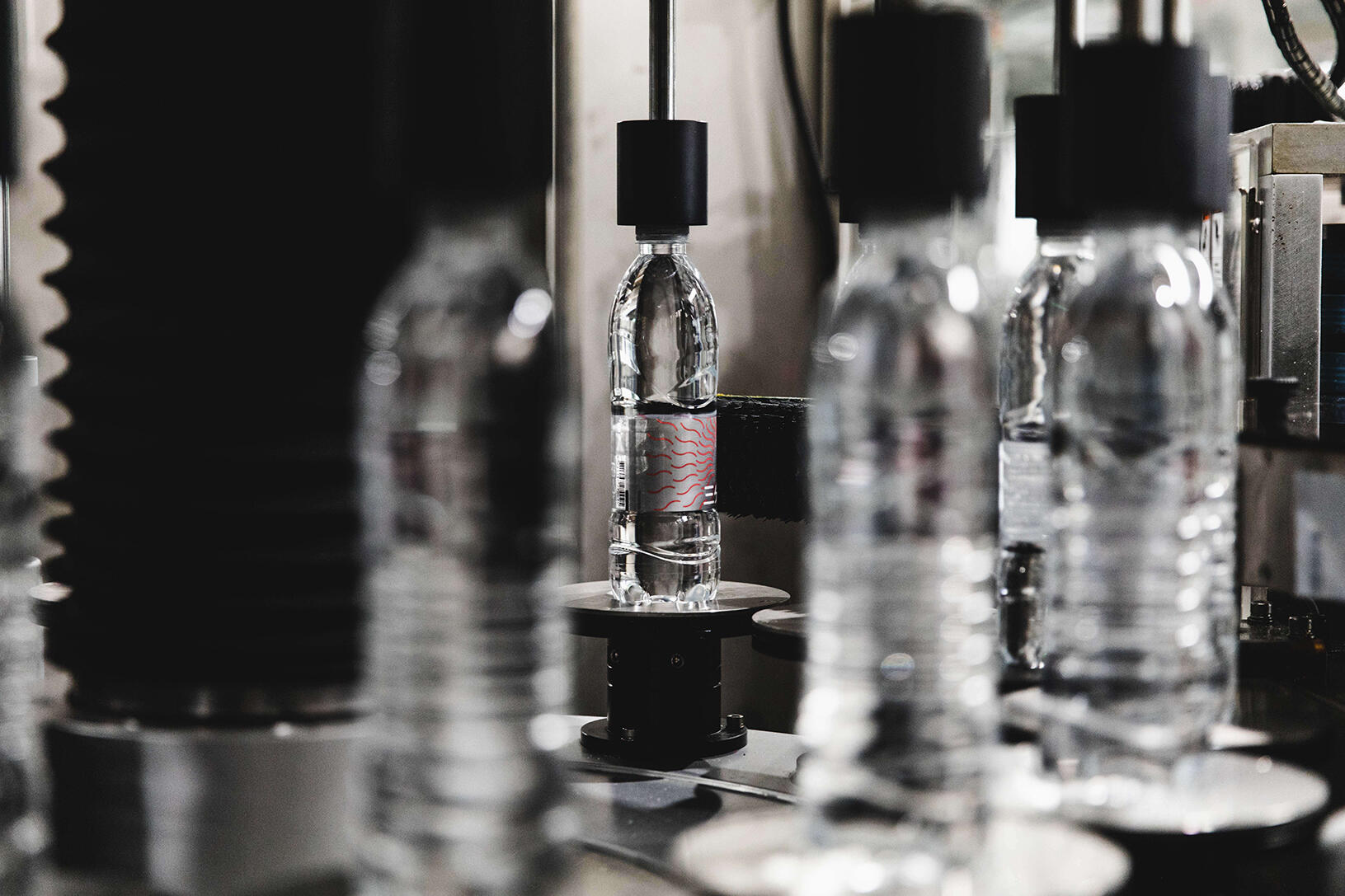
5. Labeling or sleeve labeling:
Equipped with high-speed labeling systems and high-speed sleeve labeling systems, it will also launch self-adhesive label products to meet different market demands.
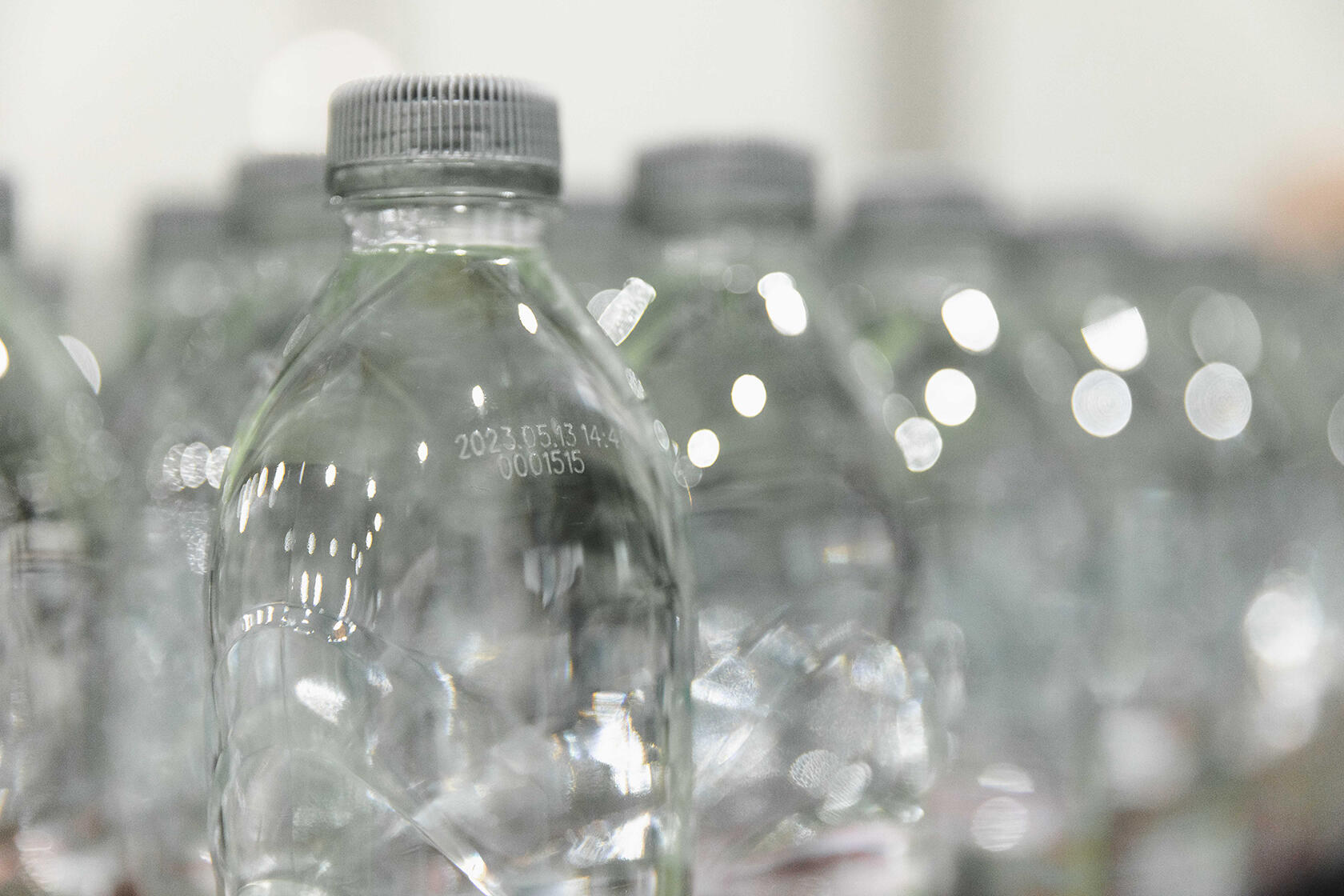
6. Laser engraving:
Traditional inkjet printing for expiration/manufacturing dates is susceptible to ink fading, alteration, or contamination. Laser engraving technology, on the other hand, engraves the expiration/manufacturing date and a unique product number on the bottle, without affecting the appearance, and makes product tracking and traceability easier.
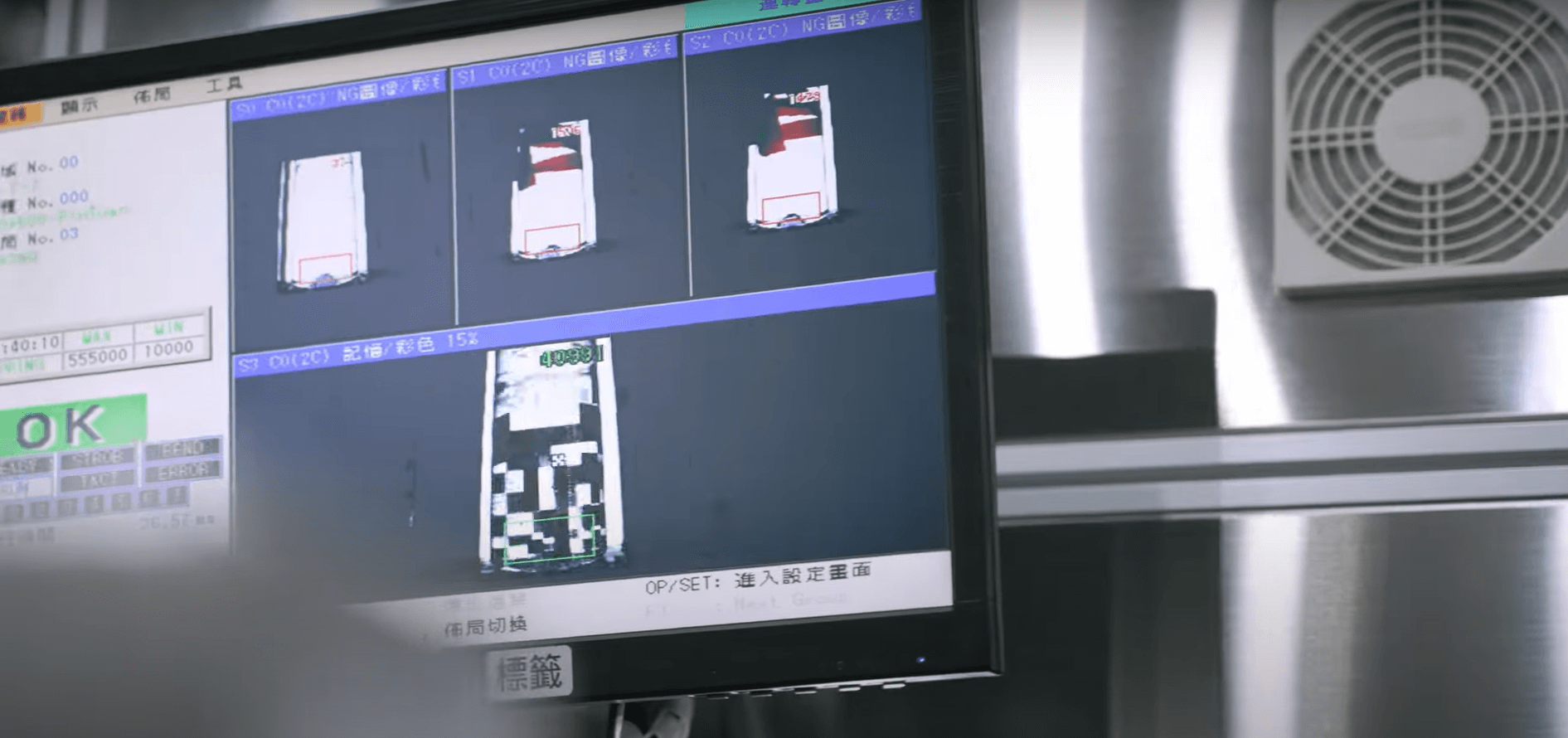
7. Automated visual inspection machine for bottle labels and laser engraving:
The high-speed production line, producing 600 bottles per minute, uses automated visual inspection machines for monitoring. These machines remove products with defective labels and check for omissions or blurry fonts in the laser engraving, ensuring that every bottle is a high-quality product.
8. Packing:
We offer packaging tailored to the specific needs of different distribution channels, such as cartons or fully shrink-wrap packaging.
9. Stacking:
Depending on the channel properties, it is suitable for different pallet sizes and different stacking methods.
10. Quality Control Inspection:
Professional quality control personnel conduct water quality and microbiological tests in a high-standard laboratory. In addition to the total bacterial count, Escherichia coli, Pseudomonas aeruginosa, and fecal streptococci required by regulations, they also independently test for mold and yeast. Only after the tests are completed to a level exceeding the regulatory standards can the product be shipped. Each batch of production has surplus samples retained for water quality and microbiological testing every quarter, ensuring that consumers can drink the water with peace of mind at any time.
11. Finished product shipment