

- Home
- The source of water.
The source of water.

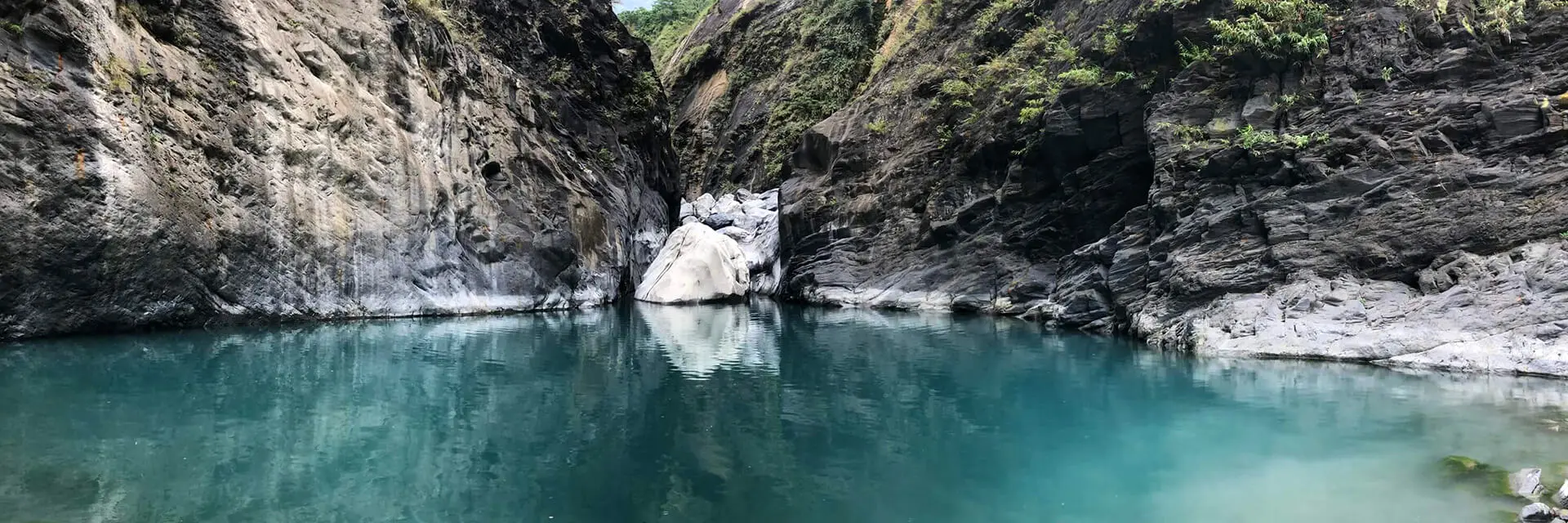
Hailing from Beidawu Mountain, one of Taiwan's Five Sacred Mountains, this water boasts the largest area of virgin forest in Taiwan and is the last known habitat of the Formosan clouded leopard, a national treasure. Hence, it is renowned as the "hometown of the clouded leopard," preserving a remarkably pristine ecological environment. Everything originates from the clouds; every drop of this heavenly rain, after millions, even hundreds of millions of years, undergoes natural filtration through layers of earth, bringing natural minerals from the ground into the water, creating its uniquely delicate, light, and smooth texture.
After multiple SGS tests, the raw water is confirmed to be sterile, naturally alkaline water with a pH of 8.0. Its natural alkalinity is due to its rich content of natural minerals. NAYAQUA's water source is not only free of heavy metals, pesticides, dioxins, and other harmful substances, but also exceptionally rich in minerals, including calcium, magnesium, sodium, potassium, phosphorus, silicon, strontium, metasilicic acid, and bicarbonate. Among these, silicon and strontium are rare minerals that can only dissolve naturally in water and cannot be artificially added, further enhancing the water's preciousness. Bicarbonate is also one of the indicators experts use to judge high-quality water sources, and it can be found in many of the world's top mineral waters. After being filtered through various strata by natural filters, the water finally gathers in the natural gravity-flowing aquifer underground. Protected by multiple impermeable layers, it is effectively isolated from all external substances and unaffected by surface environmental factors. The enormous pressure forces the water to flow to the surface and completes aseptic bottling at the water source. It has no contact with people before the cap is twisted off. This nature, sealed for thousands of years, is just to meet you!
水源的等級
Assuming the absence of harmful substances such as bacteria, heavy metals, pesticides, and dioxins, asking about the grade of a water source is essentially asking which type of water quality is best for the body. (For cancer patients, complete sterility is the top priority, while for those with poor kidney function, low sodium is the primary consideration; this refers to the general public). Globally, water quality is generally graded not by pH levels or the purity of filtered water, but by the types and amounts of minerals. Different regions, soils, and rock formations create different water qualities; each water source is unique. Total dissolved solids (TDS) do not directly reflect the quality of a water source, but they can be used to make a preliminary assessment of the mineral content. A higher TDS value indicates a higher concentration of dissolved solids (including organic and inorganic matter), while a lower value indicates water closer to pure water; therefore, pure water cannot actually be called mineral water. Evian: 357 mg/L, Fiji Water: 222 mg/L, Acqua Panna: 188 mg/L, Volvic: 109 mg/L, NAYAQUA Water Source: 250 mg/L. The main factor affecting taste is hardness, which is the content of calcium and magnesium ions in the water. The higher the hardness, the more astringent (mineral) it tastes; the lower the hardness, the closer it tastes to pure water. Evian: 291 mg/L, Fiji Water: 105 mg/L, Acqua Panna: 103 mg/L, Volvic: 75 mg/L, NAYAQUA Water Source: 150 mg/L. NAYAQUA water is characterized by its high content of silicon, strontium, and bicarbonate ions. We share this treasure from nature with the world.
礦物質的好處
According to Chapter 12 of the World Health Organization's 2005 publication "Nutrients in Drinking Water," titled "Health Risks from Drinking Demineralized Water (also known as Pure Water)," ingesting water with low mineral content may be associated with the development of mineral deficiencies, and drinking water should contain minimum levels of certain essential minerals.
The unique minerals in NAYAQUA water:
1. Silicon is highly valued: Silicon is an essential mineral for the human body, a crucial component of connective tissue and bones. Its main functions include increasing the elasticity of cartilage and connective tissue, strengthening bones, promoting collagen synthesis, and maintaining skin elasticity, making it a highly regarded natural beauty product! Research shows that silicon helps maintain the health and elasticity of blood vessel walls, is beneficial to cardiovascular health, and can prevent cholesterol buildup in blood vessels. A study published in the *Nutrition Journal* indicates that drinking 1 liter of silicon-rich natural mineral water daily can help improve blood vessel elasticity and reduce the risk of cardiovascular disease. Regular consumption of mineral water rich in metasilicic acid is associated with lower aluminum levels in the body fluids, and high aluminum levels in the body are linked to Alzheimer's disease. Silicon is chemically insoluble in water and cannot be artificially added to water. It can only dissolve in water under specific high-temperature, high-pressure conditions underground, existing as silicic acid. Water sources containing silicon are extremely precious and rare.
2. I am because of Strontium: Strontium is the 15th most abundant element on Earth. Due to its similar chemical properties to calcium, strontium plays a crucial role in calcium metabolism. Strontium is also an essential mineral for the human body, a vital component of bones, and promotes bone growth and repair. A test-tube experiment conducted by New York University Dental College showed that administering strontium to osteoblasts significantly improved bone-forming function. Further research indicates that strontium is related to the function and structure of blood vessels, helping the body reduce sodium absorption. Excessive sodium in the body can easily lead to high blood pressure and cardiovascular disease, and strontium plays a preventative role.
3. Phosphorus: Phosphorus is an essential mineral for the human body, a component of bones and teeth, and plays a vital role in regulating energy metabolism. Adult bones contain approximately 600-900 grams of phosphorus, and 100 ml of whole blood contains 35-45 milligrams of phosphorus. Phosphorus is also a basic component of nucleotides, maintaining the acid-base balance of body fluids and blood, regulating fat metabolism, assisting in the metabolism of carbohydrates and fats and their conversion into energy, and is involved in the transport of fat in the circulatory system. Besides maintaining normal kidney function, phosphorus can rapidly synthesize ATP (adenosine triphosphate, an immediately usable energy source), quickly releasing energy. Phosphorus is also a major substance for synthesizing cell nucleoproteins and only functions after combining with various B vitamins. Phosphorus deficiency causes hypophosphatemia, leading to abnormalities in red blood cells, white blood cells, and platelets, and symptoms such as rickets, while excessive phosphorus can lead to hyperphosphatemia and osteoporosis. Given the proportion of phosphorus in water, it is unlikely that one would ingest excessive amounts of phosphorus.
4. Never give up on bicarbonate (HCO3-): Bicarbonate is an acidic salt formed from carbonic acid, containing bicarbonate ions HCO3-. Bicarbonate also plays a very important role in physiology. The human body has three automatic mechanisms to regulate acid-base balance: buffers, healthy lungs, and healthy kidneys. Among them, buffers refer to bicarbonate (HCO3) and bicarbonate (HCO3-) in the blood. They can buffer the impact of acidic and alkaline foods. Bicarbonate can be found in high-quality mineral water and is also essential for the human body.
SGS檢驗聲明-礦物質檢測、微生物檢測
SGS檢驗聲明-重金屬檢測
SGS檢驗聲明-塑膠微粒檢測